QJEEM24Chd4d2: JEE Main 2024 Chemistry - Class 11 JEEM24Chd4d2 Solution: A species having carbon with sextet of electrons and can act as …
A species having carbon with sextet of electrons and can act as electrophile is called
Multiple Choice Options
- A pentavalent carbon
- B carbon free radical
- C carbanion
- D carbocation
Step-by-Step Verified Solution
The species described as having a carbon atom with a sextet of electrons—that is, six electrons in its valence shell—capable of acting as an electrophile (an electron-pair acceptor) is called a carbocation. Therefore, the correct answer is:
Option D carbocation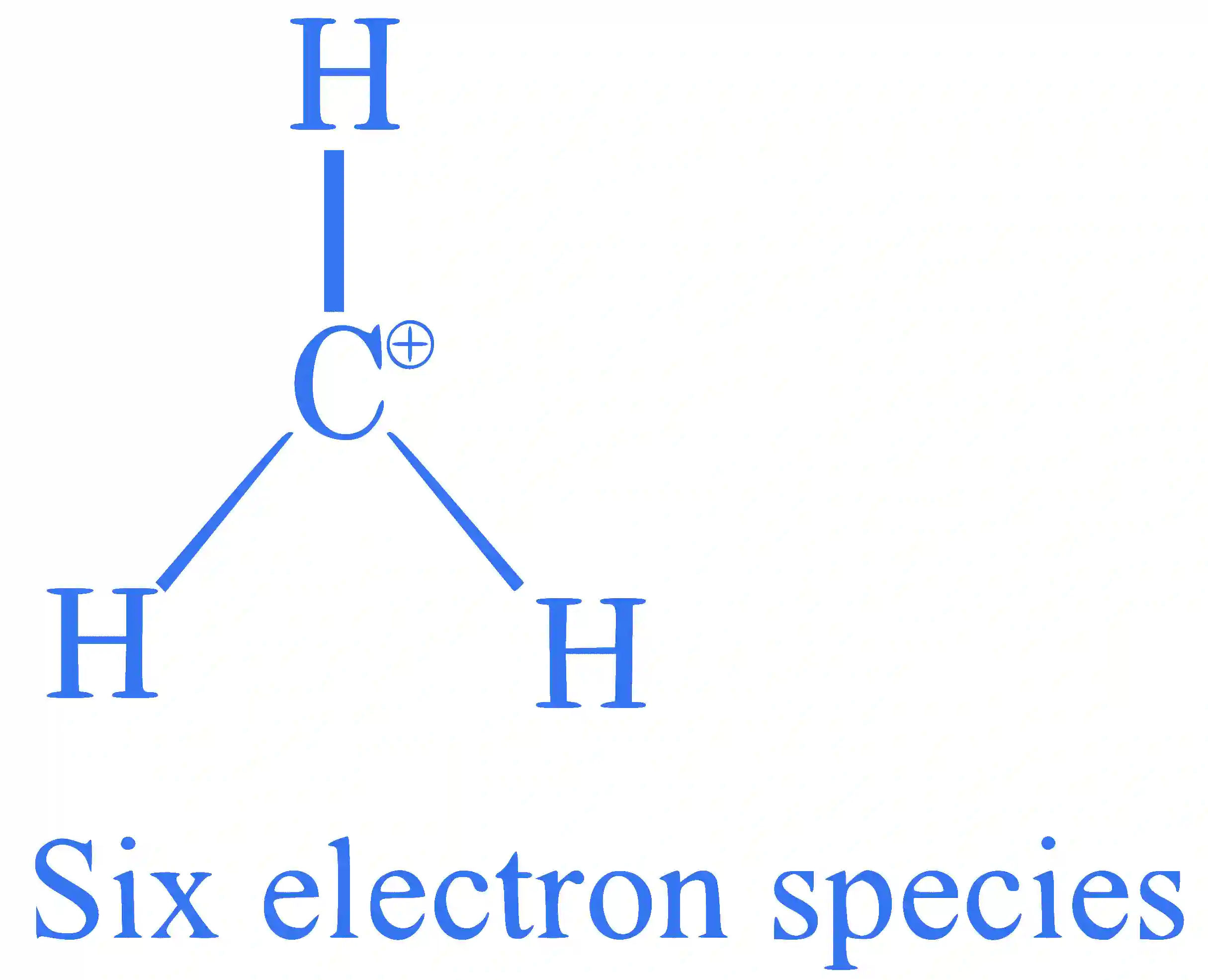
Here's a brief explanation of each option:
Option A: Pentavalent carbon - This term is not commonly used in organic chemistry, and it refers incorrectly to a carbon with five bonds, which contradicts the tetravalency of carbon.
Option B: Carbon free radical - This species has a carbon atom with an unpaired electron (a septet, or seven valence electrons). It is highly reactive but is not typically classified as an electrophile because it seeks to pair its single unpaired electron rather than accepting a pair of electrons.
Option C: Carbanion - This anion has a carbon atom with three bonds and a pair of electrons, which in total gives eight valence electrons. It is nucleophilic (electron-pair donor) rather than electrophilic.
Option D: Carbocation - A carbocation is indeed a carbon species with only six valence electrons and thus has an empty p-orbital that can accept a pair of electrons, making it electrophilic. Carbocations are usually trigonal planar in structure and carry a positive charge.