QJEEM23Chdcea: JEE Main 2023 Chemistry - Class 11 JEEM23Chdcea Solution: The number of correct statements from the following is…
The number of correct statements from the following is ___________.
A. For
B. For
C. Boundary surface diagrams of the orbitals encloses a region of
D. p and d-orbitals have 1 and 2 angular nodes respectively.
E. probability density of p-orbital is zero at the nucleus
Step-by-Step Verified Solution
Let's look at each statement individually:
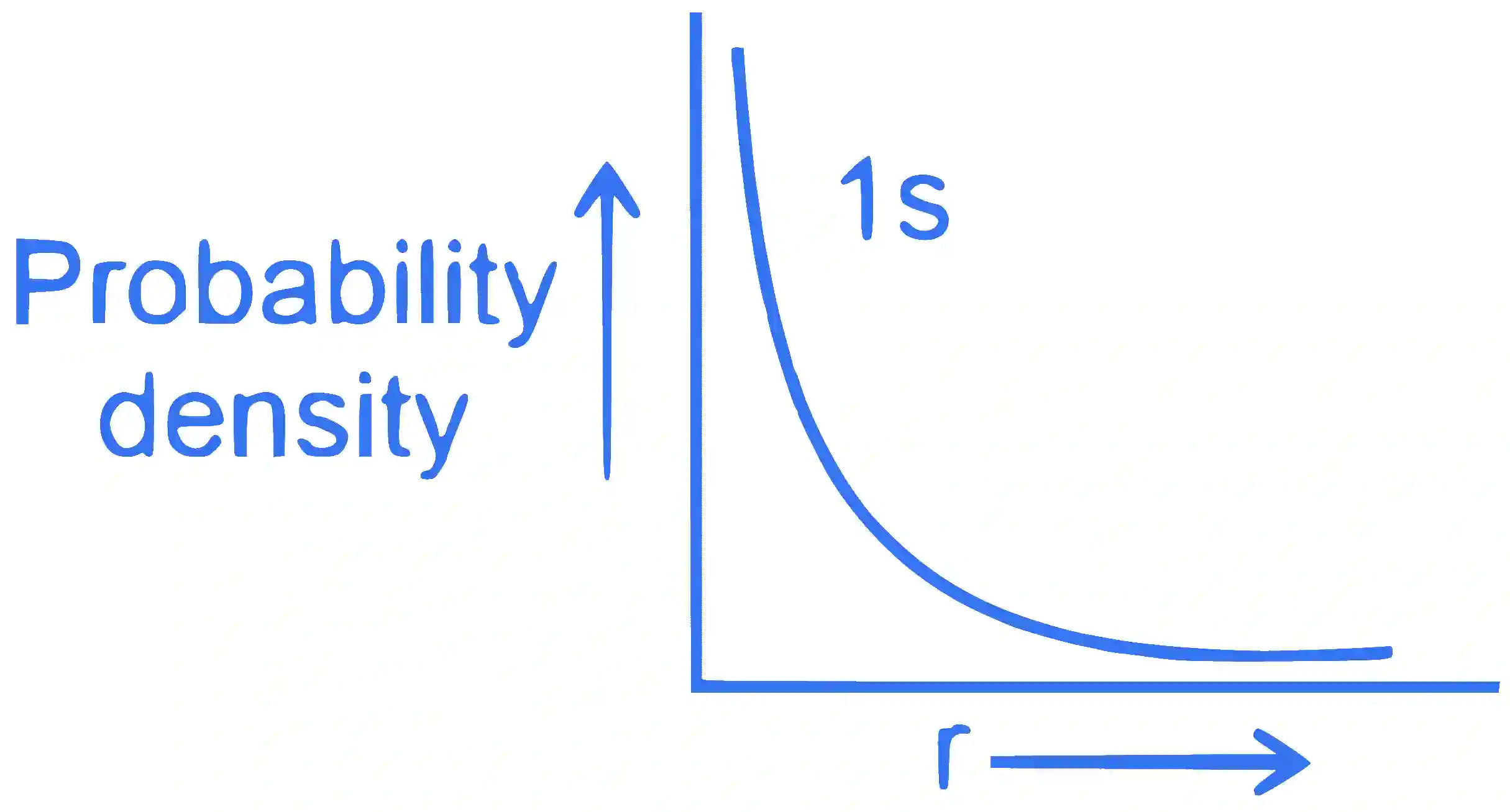
A. For 1s orbital, the probability density is maximum at the nucleus.
This statement is correct. For a 1s orbital, the electron is most likely to be found closest to the nucleus.
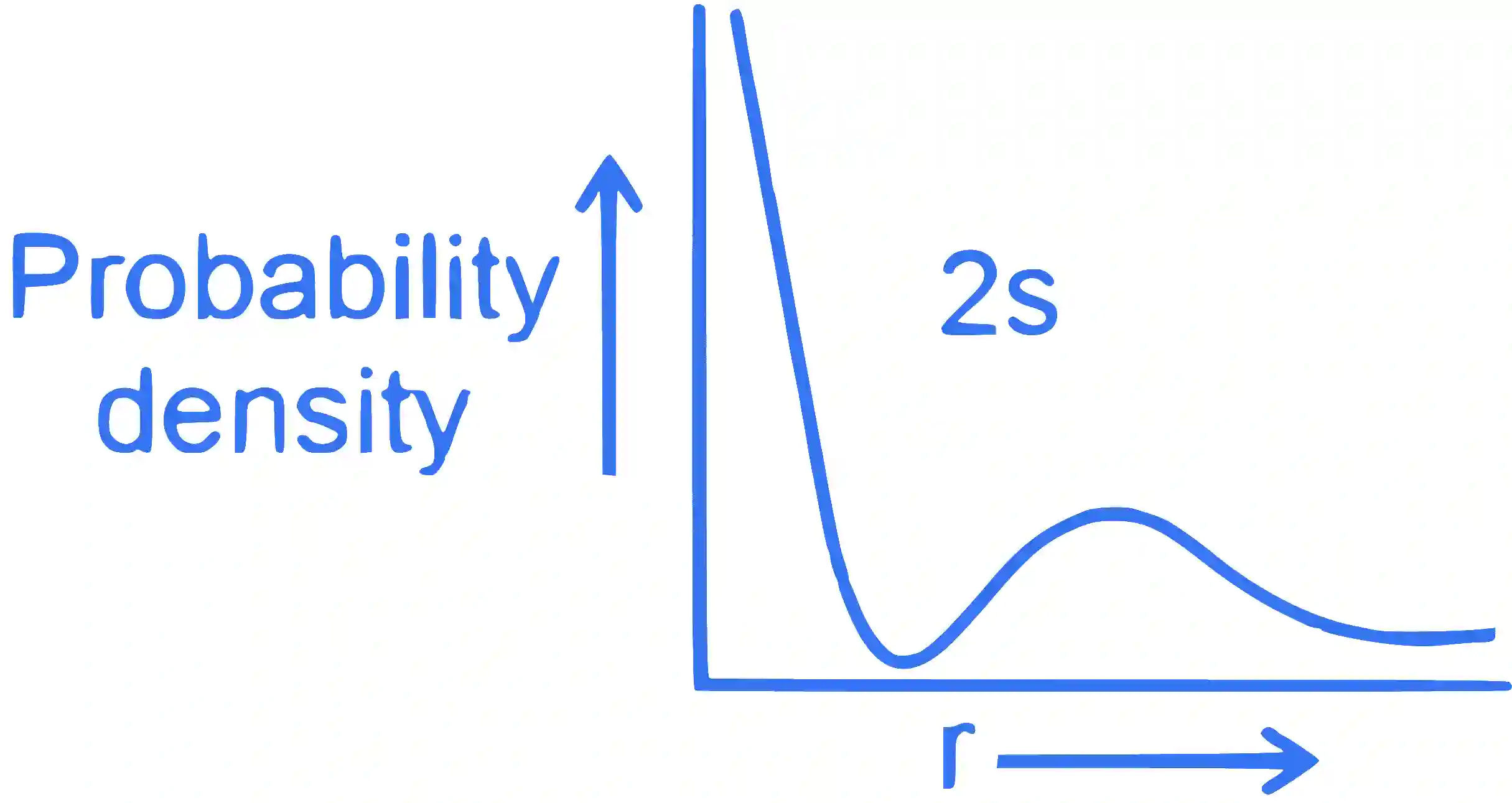
B. For 2s orbital, the probability density first increases to maximum and then decreases sharply to zero.
This statement is incorrect. For a 2s orbital, the probability density is maximum at the nucleus, then decreases to zero (this is the radial node), and then rises again to a secondary peak before gradually tapering off.
C. Boundary surface diagrams of the orbitals encloses a region of 100% probability of finding the electron.
This statement is incorrect. The boundary surface usually encloses a region where there is approximately a 90% chance of finding the electron, not 100%.
D. p and d-orbitals have 1 and 2 angular nodes respectively.
This statement is correct. The number of angular nodes corresponds to the orbital angular momentum quantum number (l). For a p-orbital, l=1, thus there is one angular node. For a d-orbital, l=2, thus there are two angular nodes.
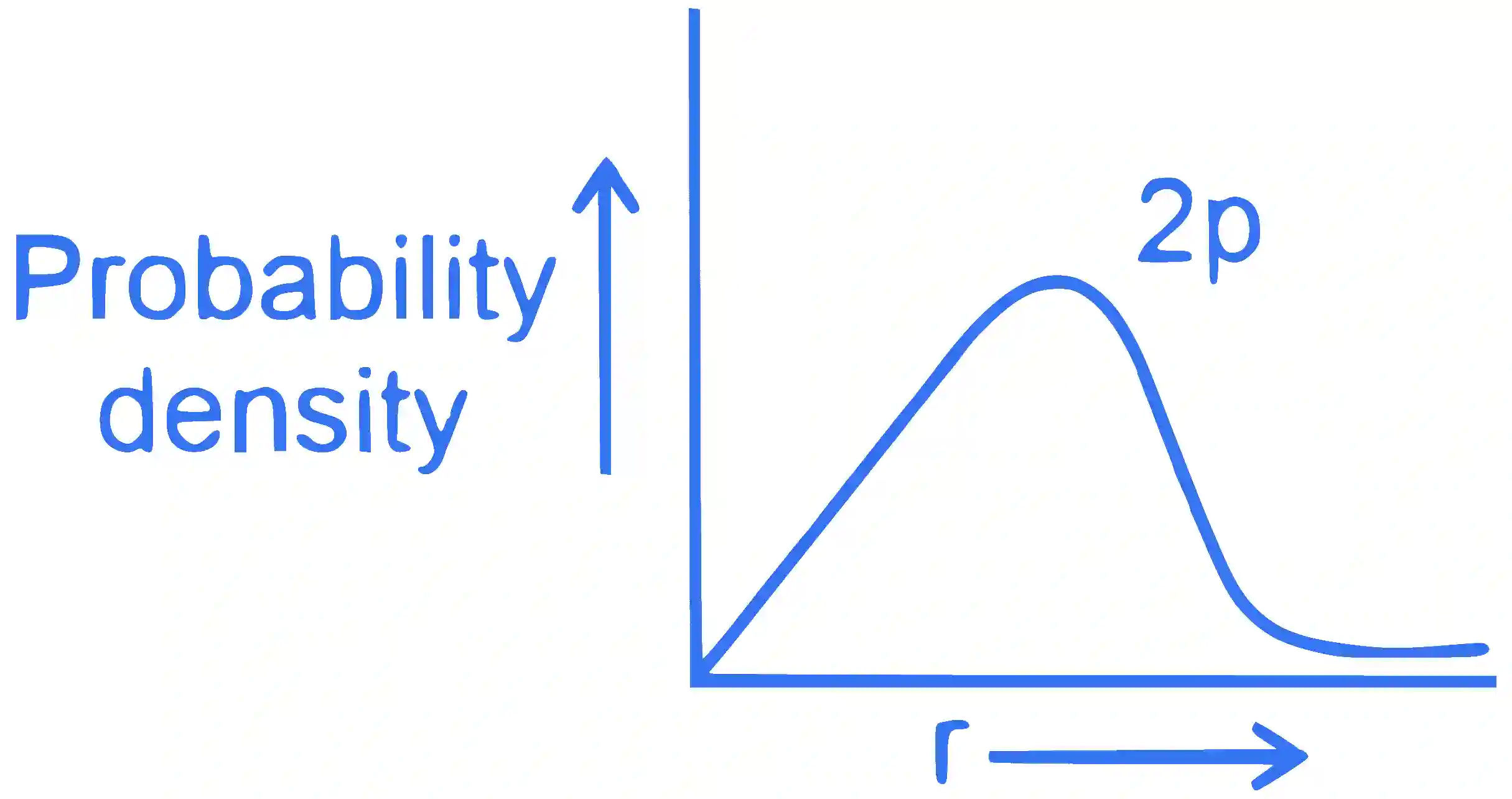
E. Probability density of p-orbital is zero at the nucleus.
This statement is correct. The probability density of a p-orbital is indeed zero at the nucleus because p-orbitals have one angular node at the nucleus.
So, the total number of correct statements is 3 (A, D, E).