Verified Solution • 2025–26 Session
moderate
QJEEM23Ch30a8: JEE Main 2023 Chemistry - Class 11 JEEM23Ch30a8 Solution: What happens when methane undergoes combustion in systems A and …
What happens when methane undergoes combustion in systems A and B respectively?
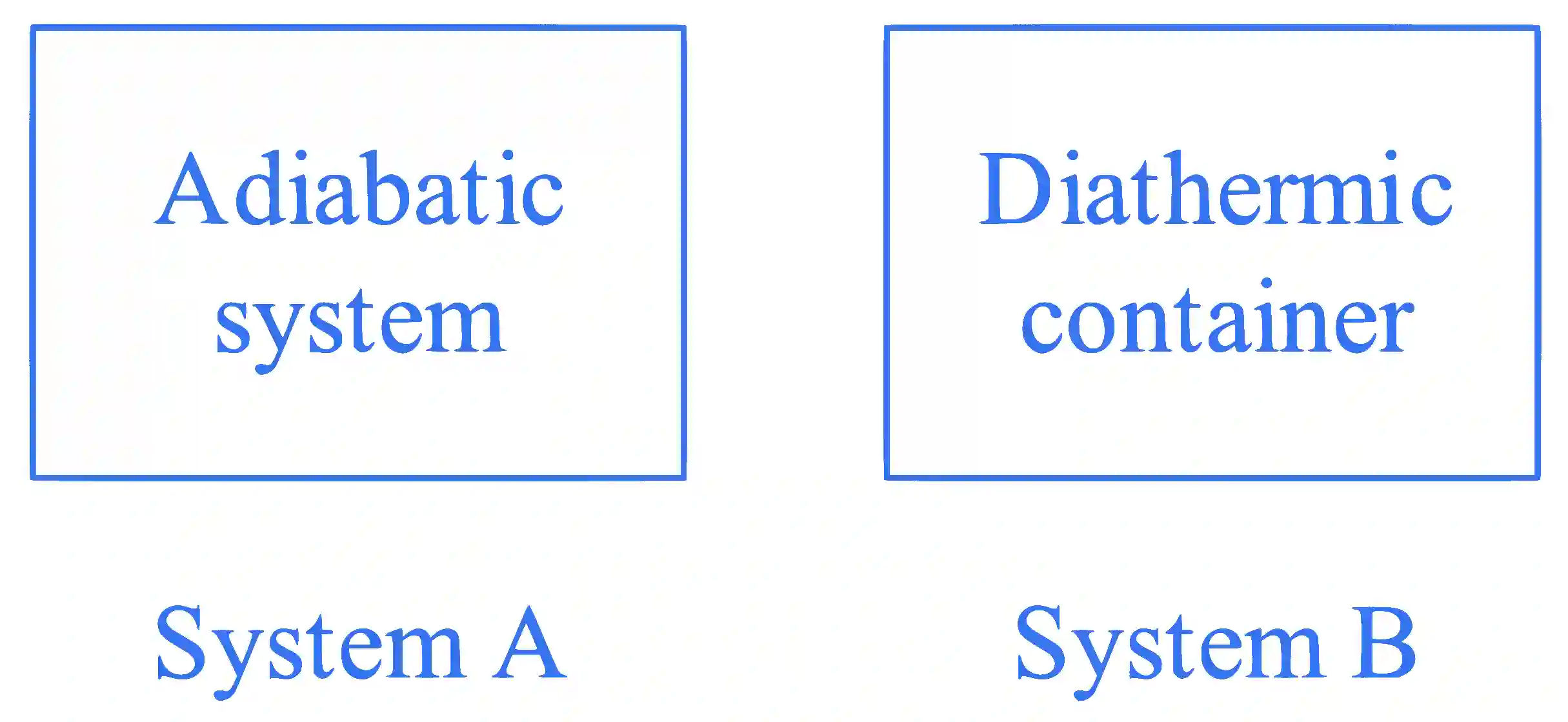
Multiple Choice Options
- A .tg {border-collapse:collapse;border-spacing:0;} .tg td{border-color:black;border-style:solid;border-width:1px;font-family:Arial, sans-serif;font-size:14px; overflow:hidden;padding:10px 5px;word-break:normal;} .tg th{border-color:black;border-style:solid;border-width:1px;font-family:Arial, sans-serif;font-size:14px; font-weight:normal;overflow:hidden;padding:10px 5px;word-break:normal;} .tg .tg-c3ow{border-color:inherit;text-align:center;vertical-align:top} .tg .tg-7btt{border-color:inherit;font-weight:bold;text-align:center;vertical-align:top} System A System B Temperature falls Temperature rises
- B .tg {border-collapse:collapse;border-spacing:0;} .tg td{border-color:black;border-style:solid;border-width:1px;font-family:Arial, sans-serif;font-size:14px; overflow:hidden;padding:10px 5px;word-break:normal;} .tg th{border-color:black;border-style:solid;border-width:1px;font-family:Arial, sans-serif;font-size:14px; font-weight:normal;overflow:hidden;padding:10px 5px;word-break:normal;} .tg .tg-c3ow{border-color:inherit;text-align:center;vertical-align:top} .tg .tg-7btt{border-color:inherit;font-weight:bold;text-align:center;vertical-align:top} System A System B Temperature rises Temperature remains same
- C .tg {border-collapse:collapse;border-spacing:0;} .tg td{border-color:black;border-style:solid;border-width:1px;font-family:Arial, sans-serif;font-size:14px; overflow:hidden;padding:10px 5px;word-break:normal;} .tg th{border-color:black;border-style:solid;border-width:1px;font-family:Arial, sans-serif;font-size:14px; font-weight:normal;overflow:hidden;padding:10px 5px;word-break:normal;} .tg .tg-c3ow{border-color:inherit;text-align:center;vertical-align:top} .tg .tg-7btt{border-color:inherit;font-weight:bold;text-align:center;vertical-align:top} System A System B Temperature falls Temperature remains same
- D .tg {border-collapse:collapse;border-spacing:0;} .tg td{border-color:black;border-style:solid;border-width:1px;font-family:Arial, sans-serif;font-size:14px; overflow:hidden;padding:10px 5px;word-break:normal;} .tg th{border-color:black;border-style:solid;border-width:1px;font-family:Arial, sans-serif;font-size:14px; font-weight:normal;overflow:hidden;padding:10px 5px;word-break:normal;} .tg .tg-c3ow{border-color:inherit;text-align:center;vertical-align:top} .tg .tg-7btt{border-color:inherit;font-weight:bold;text-align:center;vertical-align:top} System A System B Temperature remains same Temperature rises
Step-by-Step Verified Solution
When methane undergoes combustion in systems A (adiabatic system) and B (diathermic container), the outcomes are as follows:
System A (adiabatic system): In an adiabatic system, no heat exchange occurs between the system and its surroundings. As methane undergoes combustion, which is an exothermic process, the heat generated by the reaction is retained within the system, causing the temperature to rise. Therefore, for System A, the temperature rises.
System B (diathermic container): In a diathermic container, heat exchange is allowed between the system and its surroundings. As methane undergoes combustion, the heat generated by the reaction is partially transferred to the surroundings. Depending on the heat capacity of the container and the extent of heat transfer, the temperature of the system may rise, remain the same, or even fall. However, in most cases, the temperature in System B would be expected to rise, but at a slower rate compared to System A.
Based on this information, the most appropriate option is:
System A: Temperature rises
System B: Temperature remains same