Verified Solution • 2025–26 Session
moderate
QJEEM21Ch22c3: JEE Main 2021 Chemistry - Class 11 JEEM21Ch22c3 Solution: Which one of the following compounds is aromatic in nature?
Which one of the following compounds is aromatic in nature?
Multiple Choice Options
- A https://ik.imagekit.io/novatra/photos/9f79542d3853106c78c92dd9de79fe157768369e059e3165a3836a8053ce0901.webp
- B https://ik.imagekit.io/novatra/photos/e8de8156ae9e34826376381bc0a66d4f221fbcc5a240ec03b868853d07f89adb.webp
- C https://ik.imagekit.io/novatra/photos/0392ecd0c3e9348b7b6cc284e88e9e0a6ae837e6066510c724edc56788ce3519.webp
- D https://ik.imagekit.io/novatra/photos/fcc1a3262d246eec1d72304e6b7d6008f4e802f6e24c510e4c9af7b7abbe67ce.webp
Step-by-Step Verified Solution
(a) (Acenaphthene)

"Note: For a compound with multiple cyclic rings to exhibit aromaticity, it must conform to Hückel's rule, which stipulates that the molecule should have (4n+2) π-electrons in the largest periphery of continuous conjugation. Rings with sp3 hybridized carbon atoms are not considered in this context. Despite their potential π-bonds, these rings cannot participate in resonance with π-bonds of the other rings due to the sp3 hybridization, and thus do not contribute to the overall aromaticity of the compound."
(b)
(c)
(d)
6
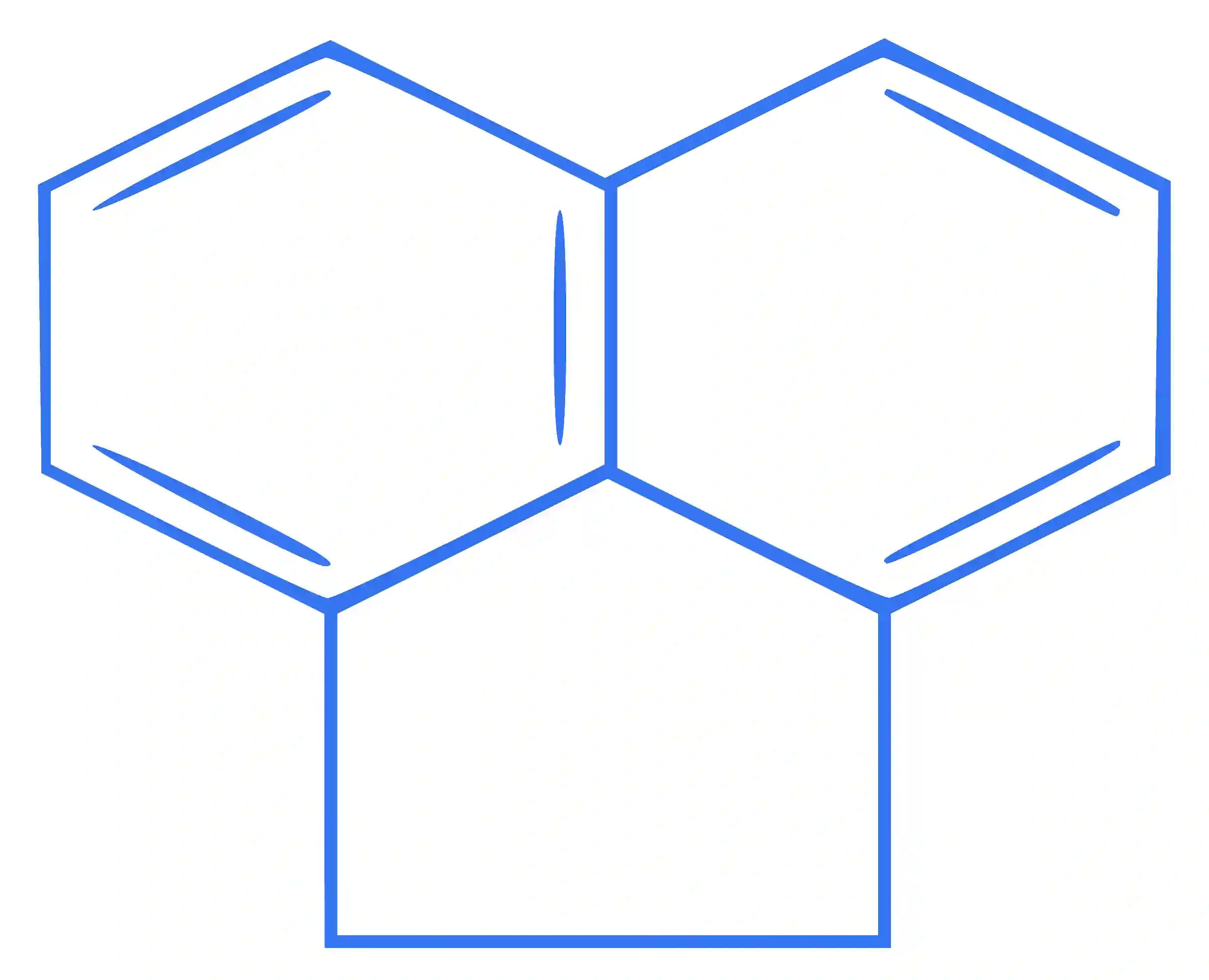
"Note: For a compound with multiple cyclic rings to exhibit aromaticity, it must conform to Hückel's rule, which stipulates that the molecule should have (4n+2) π-electrons in the largest periphery of continuous conjugation. Rings with sp3 hybridized carbon atoms are not considered in this context. Despite their potential π-bonds, these rings cannot participate in resonance with π-bonds of the other rings due to the sp3 hybridization, and thus do not contribute to the overall aromaticity of the compound."
(b)

(c)
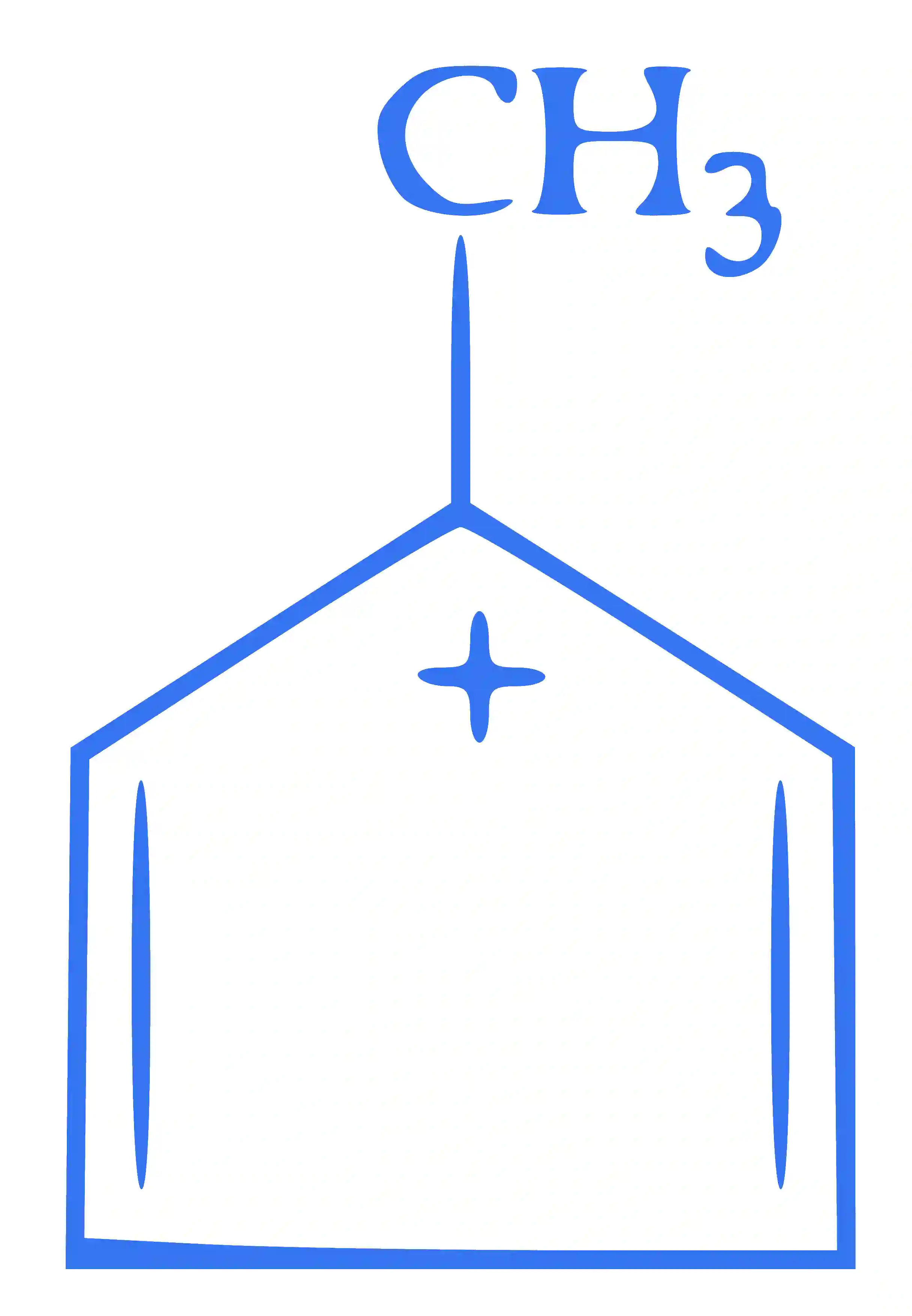
(d)

6