Verified Solution • 2025–26 Session
moderate
QJEEAdv16Maf3ee: JEE Advanced 2016 Mathematics - Class 12 JEEAdv16Maf3ee Solution: Consider a pyramid located in the first octant with as origin,…
Consider a pyramid located in the first octant with as origin, and and along the -axis and the -axis, respectively. The base of the pyramid is a square with The point is directly above the mid-point, of diagonal such that Then
Multiple Choice Options
- A the acute angle between and is
- B the equation of the plane containing the triangle is
- C the length of the perpendicular from to the plane containing the triangle is
- D the perpendicular distance from to the straight line containing is
Step-by-Step Verified Solution
Let us consider a pyramid OPQRS in the first octant with O as origin as shown in the following figure:
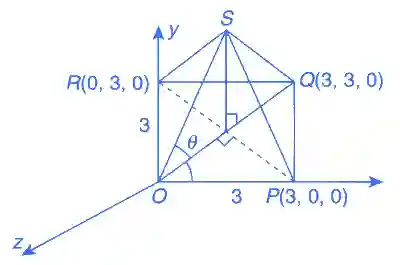
Now, the midpoint of is .
Also, it is obvious that the point is given by .
Now,
Therefore,
where is the angle between and , which is calculated as follows:
The ratio of the plane containing triangle can be written as
Therefore, the ratio is .
Now, the equation of the plane is
Hence, option (B) is correct.
The coordinates of the length of perpendicular from point to the plane is .
Hence, the length of perpendicular from point to the plane containing the triangle is
Hence, option (C) is correct.
Now, points and , respectively, are and
The equation of line is
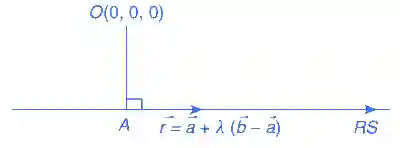
Let point A be the feet of perpendicular from O to line RS:
That is,
Therefore,
Therefore, and hence the perpendicular distance from point to the straight line containing the line is
Hence, option (D) is correct.
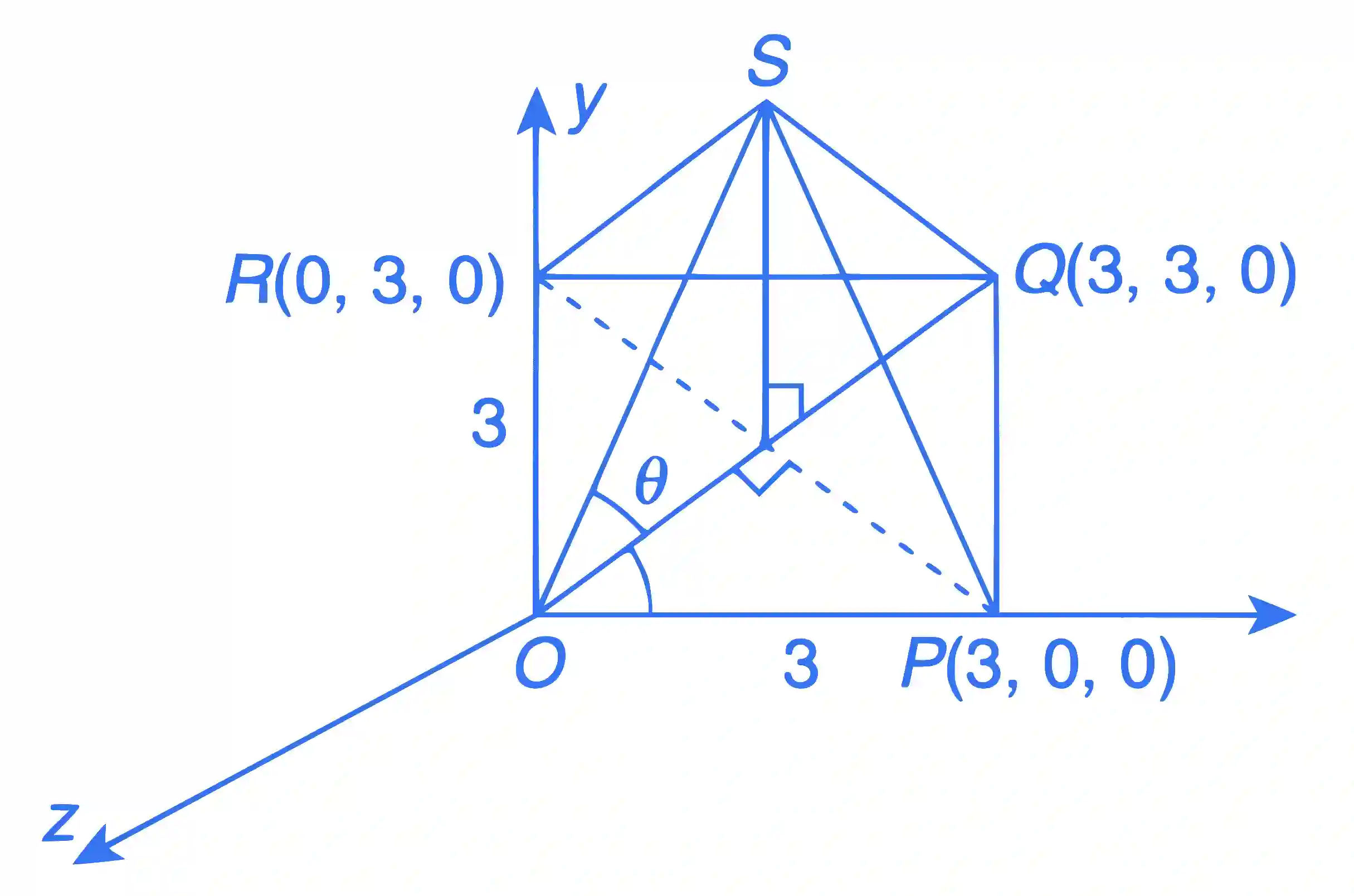
Now, the midpoint of is .
Also, it is obvious that the point is given by .
Now,
Therefore,
where is the angle between and , which is calculated as follows:
The ratio of the plane containing triangle can be written as
Therefore, the ratio is .
Now, the equation of the plane is
Hence, option (B) is correct.
The coordinates of the length of perpendicular from point to the plane is .
Hence, the length of perpendicular from point to the plane containing the triangle is
Hence, option (C) is correct.
Now, points and , respectively, are and
The equation of line is
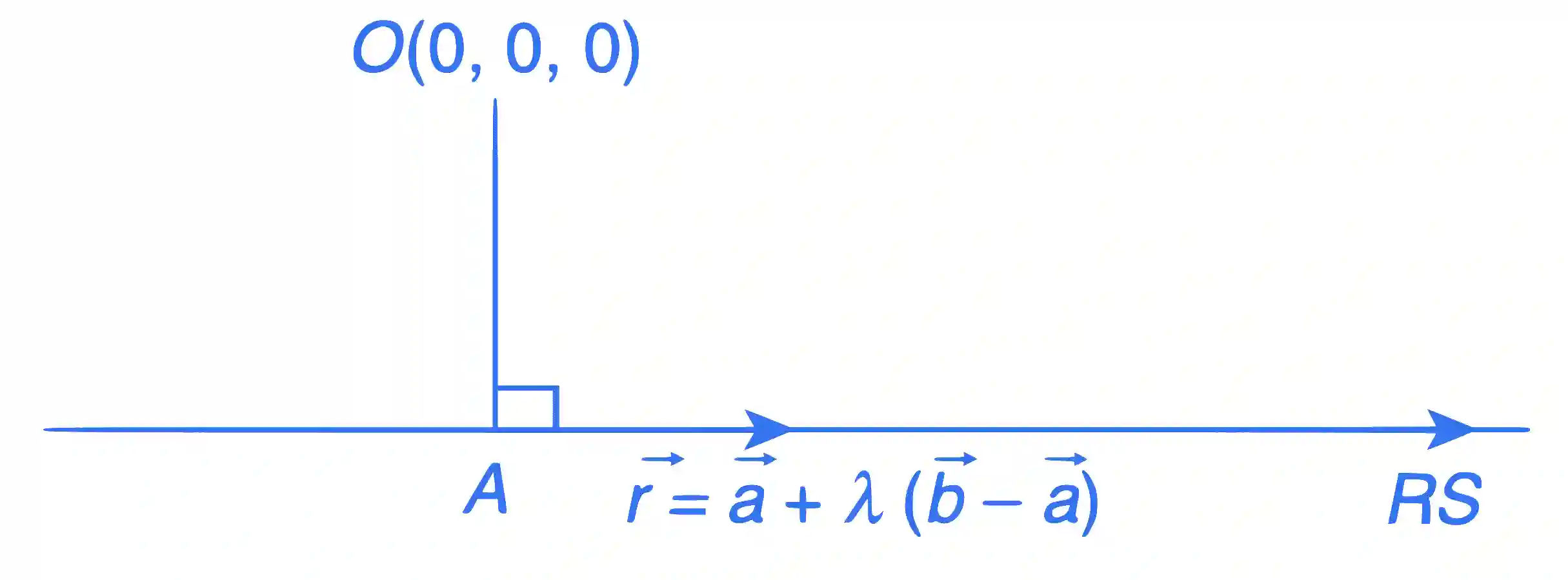
Let point A be the feet of perpendicular from O to line RS:
That is,
Therefore,
Therefore, and hence the perpendicular distance from point to the straight line containing the line is
Hence, option (D) is correct.