Verified Solution • 2025–26 Session
moderate
QJEEAdv16Ch18f9: JEE Advanced 2016 Chemistry - Class 12 JEEAdv16Ch18f9 Solution: Among [Ni(CO) 4 ], [NiCl 4 ] 2 , [Co(NH 3 ) 4 )Cl 2 ]Cl, Na 3…
Among [Ni(CO)4], [NiCl4]2 , [Co(NH3)4)Cl2]Cl, Na3[CoF6], Na2O2 and CsO2, the total number of paramagnetic compound is
Multiple Choice Options
- A 2
- B 3
- C 4
- D 5
Step-by-Step Verified Solution
For the given complexes:
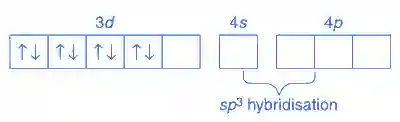
In : (at. no. 28):
being a strong field ligand causes the electrons to pair; hence, the complex diamagnetic.
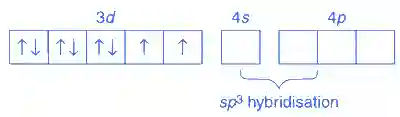
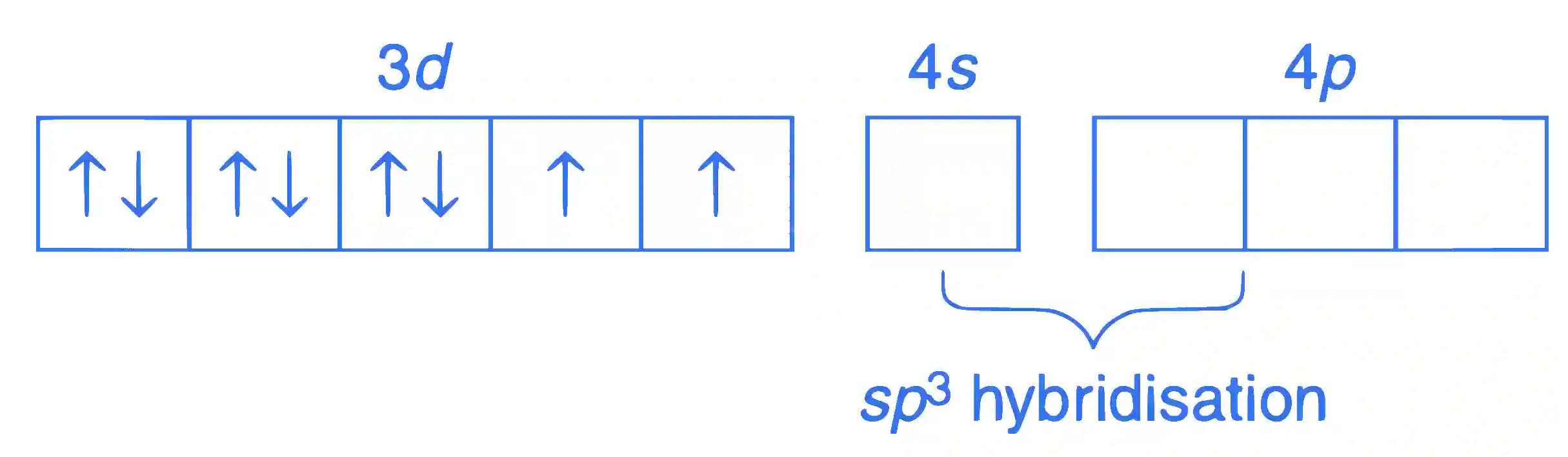
There are two unpaired electrons, so the complex is paramagnetic.
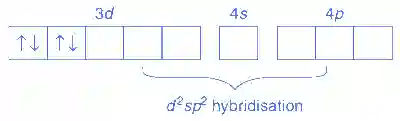
The ligand results in formation of low spin complex, which is diamagnetic.
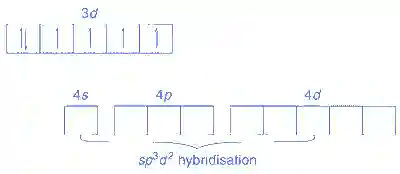
is a weak field ligand and results in the formation of high spin complex with four unpaired electrons, which is paramagnetic.
In : The molecular orbital configuration of is
There is no unpaired electron, so it is diamagnetic.
In : The molecular orbital configuration of is
There is one unpaired electron, so it is paramagnetic. Hence, there are three paramagnetic compounds.
In : (at. no. 28):
being a strong field ligand causes the electrons to pair; hence, the complex diamagnetic.
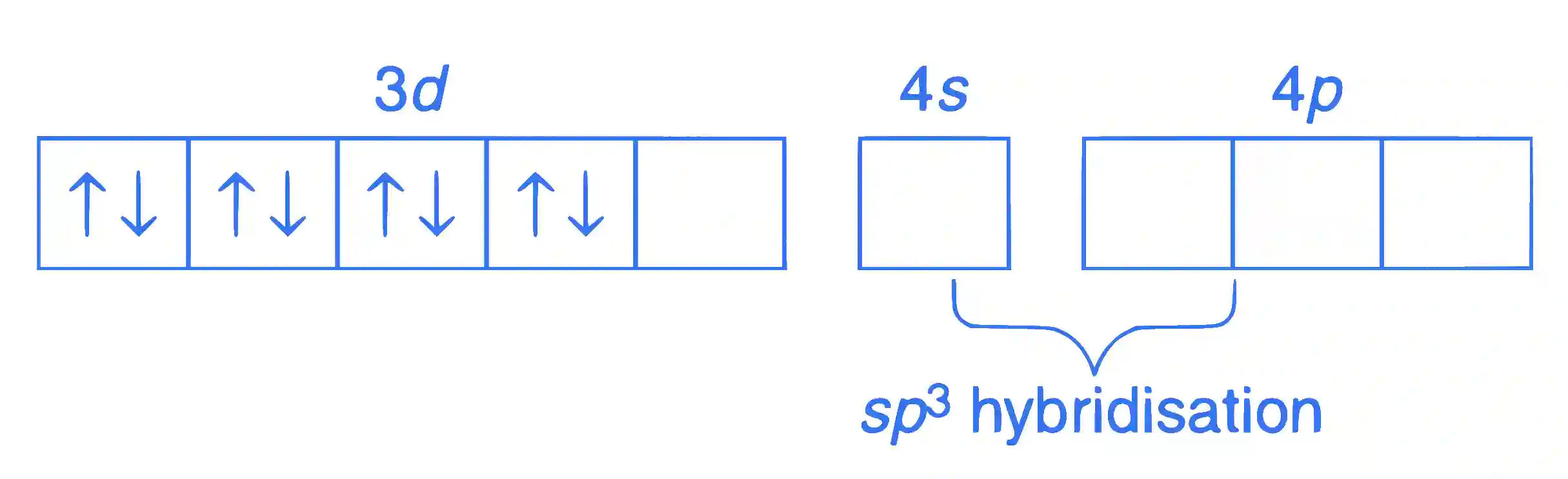
There are two unpaired electrons, so the complex is paramagnetic.
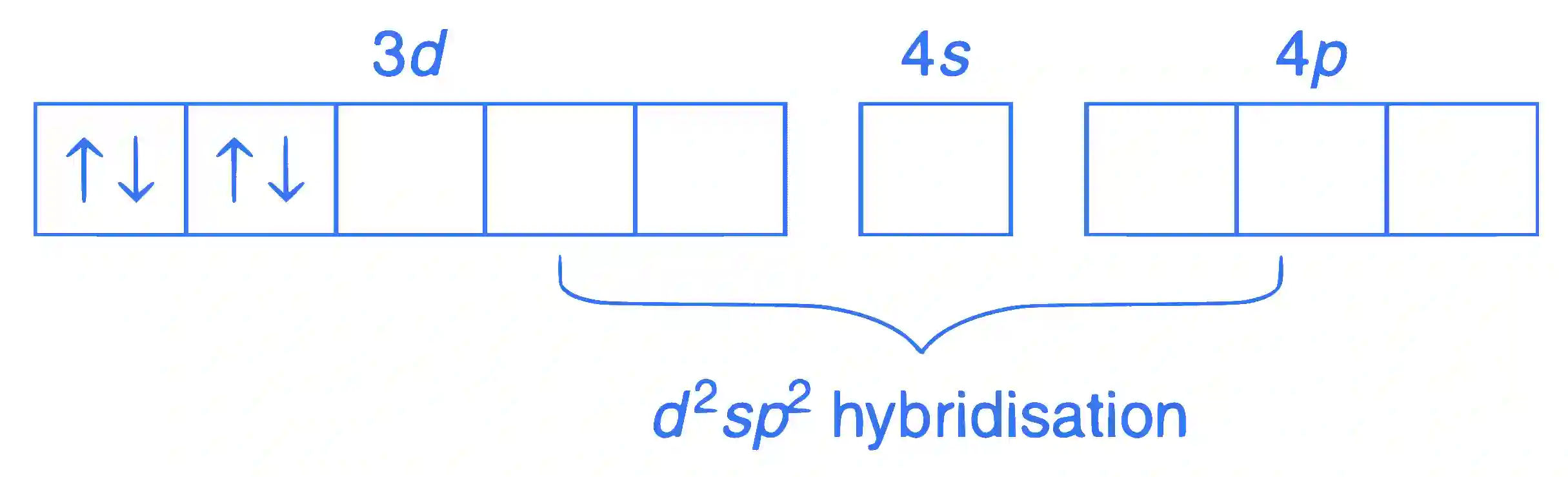
The ligand results in formation of low spin complex, which is diamagnetic.
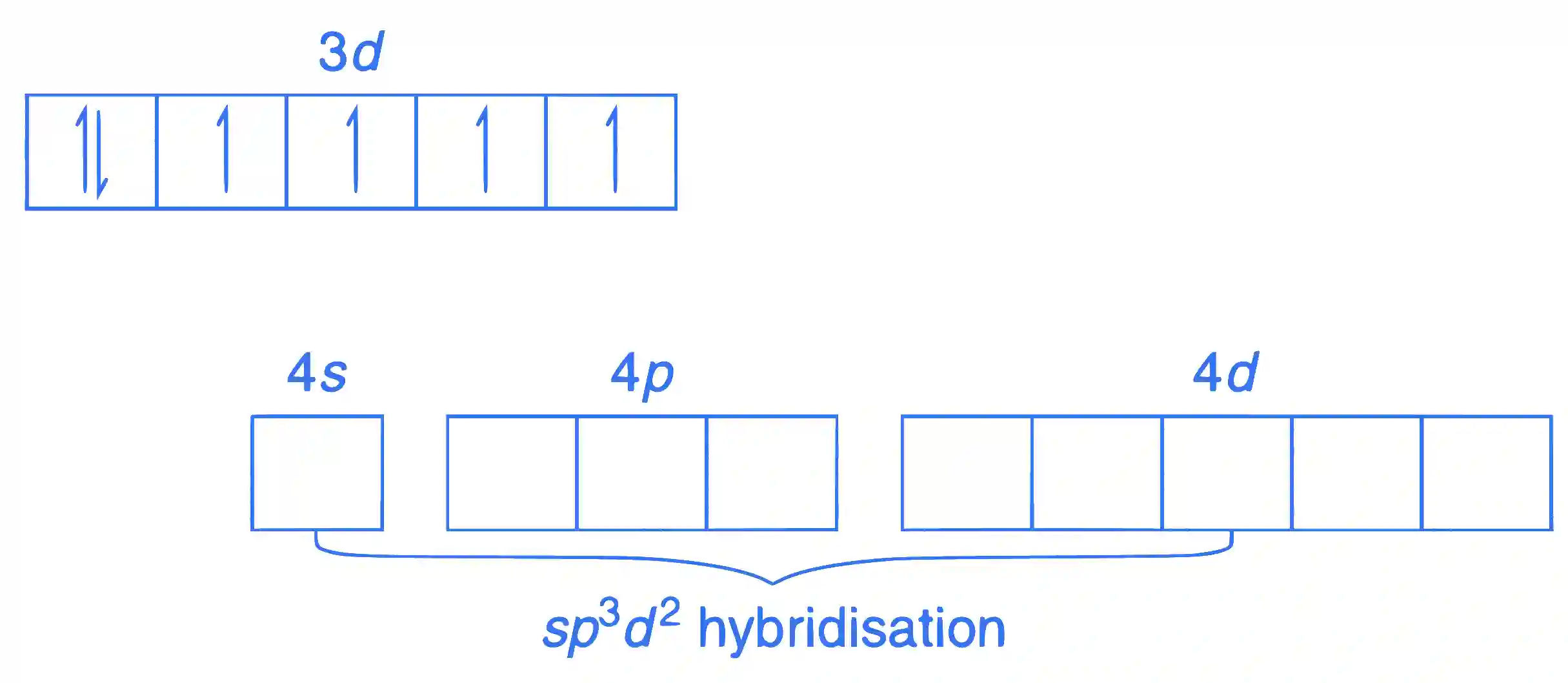
is a weak field ligand and results in the formation of high spin complex with four unpaired electrons, which is paramagnetic.
In : The molecular orbital configuration of is
There is no unpaired electron, so it is diamagnetic.
In : The molecular orbital configuration of is
There is one unpaired electron, so it is paramagnetic. Hence, there are three paramagnetic compounds.